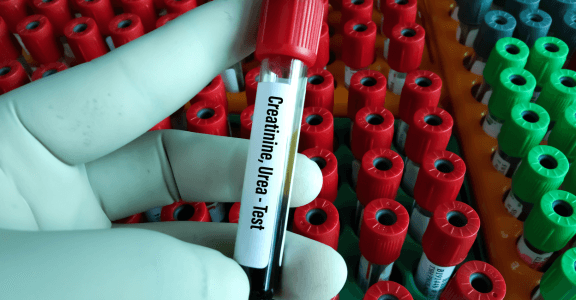
Creatinine levels are one of the most common concerns for patients with kidney problems. Many people wonder what their creatinine level means, when they should worry, and how dialysis affects these numbers. Understanding creatinine levels before and after dialysis can help patients make informed decisions about their kidney health.
Creatinine is a waste product formed from normal muscle activity. Healthy kidneys remove creatinine from the blood and pass it out through urine. When kidney function reduces, creatinine starts building up in the blood, which is why it is used as a key marker of kidney health.
Normal creatinine levels vary depending on age, gender, muscle mass, and overall health. This is why doctors do not rely on a single number alone.
Doctors often use a creatinine levels chart by age and body type to decide whether a value is normal. Minor variations are common, but persistently high creatinine levels may suggest kidney damage.
Many patients worry as soon as they see an increase in their creatinine report. However, not every rise means dialysis is needed.
You should be concerned if:
Early kidney damage may show mildly elevated creatinine levels, but treatment decisions depend on the overall clinical picture, not just the number.
Dialysis is never started based only on creatinine levels. Doctors also consider potassium levels, fluid overload, acid buildup in the body, urine output, and the patient’s general condition.
Some patients may require dialysis at relatively lower creatinine levels, while others may remain stable without dialysis even at higher levels. In India, dialysis decisions follow international standards and are always patient-specific.
Before dialysis, creatinine levels are usually high because the kidneys cannot remove waste effectively. Dialysis works by cleaning the blood and removing excess waste products, including creatinine.
After a dialysis session, creatinine levels typically fall significantly. However, this reduction is temporary. Since creatinine is continuously produced by the body through muscle activity, levels begin to rise again within days.
In acute kidney injury, creatinine levels may return to normal once kidney function recovers. In chronic kidney disease, creatinine levels rise repeatedly, which is why long-term dialysis may be required.
Many patients look for natural ways to lower creatinine levels. While lifestyle changes help, they should always be done under medical supervision.
Diet alone cannot reverse advanced kidney disease, but it can slow progression and support overall kidney health.
Yes, creatinine levels can change rapidly in acute kidney problems. Infections, dehydration, medications, or sudden kidney injury can cause sharp increases.
In chronic kidney disease, creatinine levels usually rise slowly, but the pattern varies from patient to patient. Regular monitoring helps detect changes early and allows timely treatment.
Creatinine levels are an important indicator of kidney function, but they should always be interpreted in context. Creatinine levels before and after dialysis vary depending on the type of kidney disease, overall health, and treatment plan.
Dialysis effectively removes creatinine from the blood, but it does not stop the body from producing it. This is why patients with chronic kidney disease often need ongoing dialysis support.
If you are concerned about rising creatinine levels, early consultation with a nephrologist is essential. Dr. Satyanarayana Garre, a nephrology specialist in Hyderabad, provides expert evaluation and personalised treatment plans to help patients manage kidney disease safely and effectively.
Ready to take the next step in your kidney care journey? Get in touch with us today.



