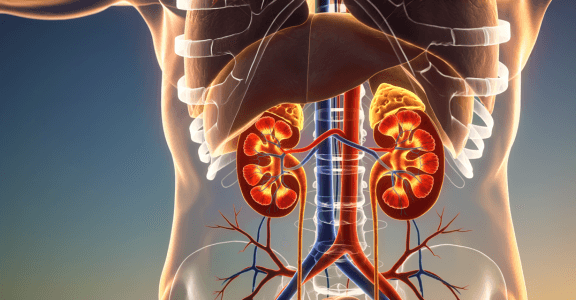
Kidney stones can cause severe pain and discomfort, often making patients search for quick relief. One common question many people ask is, “Is beer good for kidney stones?” This belief has been around for years, with many thinking beer can help flush stones out of the body.
But is this really true, or is it just another myth? Let's understand the facts behind beer and kidney stones, and why medical advice matters more than home remedies.
Kidney stones are hard deposits made of minerals and salts that form inside the kidneys. They develop when urine becomes concentrated, allowing substances like calcium, oxalate, and uric acid to stick together and form crystals.
Kidney stones can remain in the kidneys or move into the ureter. When a stone blocks urine flow, it can cause intense pain, nausea, vomiting, and difficulty passing urine.
Several factors increase the risk of kidney stone formation. One of the most common causes is low water intake, which leads to concentrated urine.
Understanding these causes is essential for preventing kidney stones in the long term.
The idea that beer helps kidney stones comes from the fact that beer acts as a diuretic, meaning it increases urine production. Some people believe that increased urine flow helps flush stones out naturally.
In very specific situations, increased urine flow may help pass very small stones. However, this does not mean beer is a safe or effective treatment.
While beer may increase urine output temporarily, it also has several harmful effects on kidney health.
Drinking beer can worsen pain if a stone is blocking urine flow. Pressure builds up in the kidney, leading to severe pain, vomiting, and sometimes inability to pass urine.
Beer can also cause dehydration after its initial effect wears off. Dehydration is one of the biggest risk factors for kidney stones.
Additionally, beer contains oxalates, which are a major component of many kidney stones. Regular beer consumption can increase oxalate levels in the body.
Beer is also high in calories, contributes to weight gain, and excessive alcohol intake can damage the liver. The risks clearly outweigh any temporary benefit.
There are safe and effective medical treatments available to help pass small kidney stones.
Ignoring symptoms or delaying treatment can lead to serious complications, including permanent kidney damage.
If you experience severe pain, difficulty passing urine, fever, or repeated kidney stones, it is important to consult a specialist.
Dr. Satyanarayana Garre, a nephrologist in Hyderabad, provides expert diagnosis and personalised treatment plans for kidney stone management and prevention.
So, is beer good for kidney stones? The answer is no. While beer may temporarily increase urine output, it can worsen pain, cause dehydration, increase oxalate levels, and harm kidney health.
Proper hydration, medical treatment, and expert guidance are the safest and most effective ways to manage kidney stones. Always consult a qualified nephrologist instead of relying on myths or home remedies.
Ready to take the next step in your kidney care journey? Get in touch with us today.



