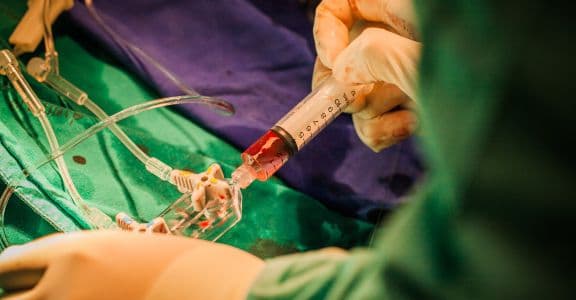
When kidney function becomes severely reduced, the kidneys can no longer clean the blood and remove waste. In such situations, dialysis is required. To perform dialysis safely and regularly, a reliable blood access is needed. One such access is perm catheterization, medically known as tunneled cuffed catheter insertion.
A Permcath is a soft, flexible tube placed into a large vein, usually in the neck. The correct medical term for this is tunneled cuffed catheter insertion. It has two channels — one to take blood to the dialysis machine and the other to return cleaned blood to the body.
The catheter is tunneled under the skin and has a cuff that helps keep it in place and reduces the risk of infection, making it suitable for medium- to long-term dialysis use.
Perm catheterization is commonly advised for patients who:
It provides immediate and dependable access for dialysis treatment.
Before the Procedure
Blood tests are done to check clotting and infection risk. Patients are asked to fast for a few hours. The nephrologist explains the procedure and informed consent is taken.
During the Procedure
The procedure is done under local anesthesia using ultrasound and X-ray guidance. A tunnel is created under the skin of the chest through which the catheter is passed. It usually takes 30–45 minutes.
After the Procedure
A sterile dressing is applied. The permcath can be used immediately for dialysis and most patients go home the same day.
Despite the name, a permcath is not permanent for life. It is meant for medium-term use and can remain for months if cared for properly. It is usually removed once a permanent access like an AV fistula is ready.
An AV fistula is the best long-term dialysis access because it lasts longer and has a lower infection risk. A permcath is used when dialysis must start immediately or when a fistula is not yet ready.
Mild soreness is normal. However, seek medical attention if you notice:
If kidney function is declining or dialysis is planned, consult a nephrologist early. Proper planning ensures safer dialysis and avoids emergency procedures.
Perm catheterization plays a crucial role in providing immediate and safe dialysis access. With proper care and timely medical guidance, it helps patients receive life-saving dialysis until a permanent access is established.
If you need dialysis access or have concerns, consult Dr. Satyanarayana Garre, Nephrologist, Hyderabad, for expert guidance and care.
Ready to take the next step in your kidney care journey? Get in touch with us today.



