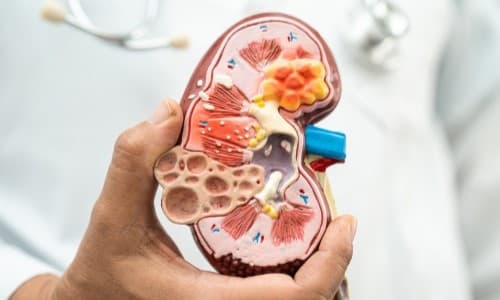
Our kidneys do a lot of important work every day. They remove waste and extra fluid from the blood, balance minerals, control blood pressure, and keep the body healthy. When kidneys stop working properly over time, it is called Chronic Kidney Disease (CKD).
CKD means the kidneys slowly lose their ability to clean the blood. This happens over months or even years. At first, you may not notice any signs because the body adjusts, but as damage increases, symptoms appear and the risk of kidney failure grows.
Chronic Kidney Disease, or CKD, is a long-term condition where the kidneys are damaged and cannot filter blood as well as they should. When this happens, waste and fluid start to build up in the body.
In the early stages, there may be no symptoms at all. Many people come to know about CKD only when it becomes serious. Early testing and regular monitoring can help slow down kidney damage and prevent complications.
If kidney damage continues, it can lead to kidney failure, where the kidneys stop working completely. In such cases, dialysis or a kidney transplant becomes necessary.
CKD usually develops because of other health problems that harm the kidneys over time. The most common causes are:
Here are the symptoms people often experience. It's good to know them so you can consult early if they show up.
If you have diabetes, high blood pressure, or a family history of kidney problems, it's important to get your kidneys checked regularly.
In the early stages, CKD usually causes no symptoms. As the condition worsens, you might notice changes such as:
Because these symptoms can also appear in other illnesses, many people don't realize they have kidney disease until it's advanced. That's why regular check-ups are so important.
Doctors usually diagnose CKD through simple tests:
If you're at risk, your doctor—like Dr. Satyanarayana Garre, a kidney specialist in Hyderabad—may suggest routine tests to catch kidney damage early.
There's no complete cure for CKD, but it can be managed and its progress slowed down. Treatment focuses on controlling the cause and protecting kidney function.
Here are some important steps:In advanced stages, when kidneys cannot filter blood properly, treatments like dialysis or kidney transplant may be needed. These treatments replace lost kidney function and help patients live longer, healthier lives.
You should see a doctor or nephrologist if you:
Early care can make a big difference. A kidney specialist like Dr. Satyanarayana Garre can help diagnose CKD early, guide you on lifestyle changes, and start treatment to protect your kidneys.
Chronic Kidney Disease grows slowly but can cause serious health problems if ignored. The best way to protect your kidneys is to stay aware, get tested regularly, and manage your health conditions properly.
With early diagnosis and proper care, you can live a normal, active life even with CKD. If you are in Hyderabad and want expert kidney care, consult Dr. Satyanarayana Garre, a trusted nephrologist dedicated to helping patients prevent and manage kidney diseases effectively.
Ready to take the next step in your kidney care journey? Get in touch with us today.



