
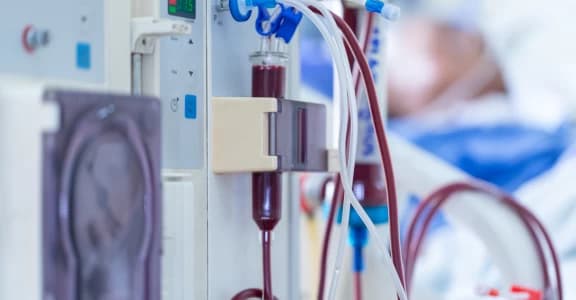
When the kidneys are no longer able to remove enough waste and extra fluid from the blood, dialysis may be needed. Dialysis is a treatment that helps do some of the work normally done by healthy kidneys. It is commonly used for people with advanced chronic kidney disease (CKD) or kidney failure.
Many patients and families have questions such as: What is dialysis? How does dialysis work? What are the types of dialysis? Is dialysis painful? How often is dialysis needed? Understanding the basics can make the treatment process easier to manage.
What Is Dialysis and Why Is It Needed?
Healthy kidneys remove waste, extra salt and excess fluid from the body through urine. They also help maintain the right balance of fluids and certain minerals in the blood.
When kidney function becomes severely reduced, waste and fluid can build up in the body. This can cause problems such as swelling, tiredness, nausea, breathing difficulty and changes in urine.
Dialysis treatment helps remove these unwanted substances from the blood. It may be needed temporarily in some cases of sudden kidney injury, while people with advanced kidney failure may need regular dialysis for a longer period.
A nephrologist, or kidney specialist, decides whether dialysis is needed based on kidney function, symptoms, test results and the patient's overall health.
What Are the Main Types of Dialysis?
There are two main types of dialysis: hemodialysis and peritoneal dialysis.
Hemodialysis
Hemodialysis is the type of dialysis most people are familiar with. During this treatment, blood is taken from the body through a special access point and passed through a dialysis machine. The machine removes waste and extra fluid before returning the cleaned blood to the body.
Hemodialysis is usually performed at a dialysis centre, although some patients may be able to receive it at home depending on their health and medical advice.
For regular treatment, patients usually need a suitable dialysis access, such as an AV fistula, graft or catheter. An AV fistula is often preferred for long-term hemodialysis because it can provide reliable access to the blood vessels.
Peritoneal Dialysis
Peritoneal dialysis works differently. It uses the lining inside the abdomen, called the peritoneum, as a natural filter.
A special dialysis fluid is placed into the abdomen through a catheter. This fluid helps draw waste and extra fluid from the blood. After some time, the used fluid is drained and replaced with fresh fluid.
Peritoneal dialysis can often be done at home, but it requires proper training and regular medical follow-up.
How Does the Dialysis Procedure Work?
The exact process depends on the type of dialysis.
During hemodialysis, the patient is connected to the dialysis machine through the dialysis access. Blood moves through a filter inside the machine, where waste and extra fluid are removed. The cleaned blood then returns to the body.
A regular hemodialysis session may take several hours. The number and duration of sessions depend on the patient's kidney function and individual treatment plan.
During peritoneal dialysis, dialysis fluid is put into the abdomen through a catheter. The fluid remains there for a specific period and is then drained. This process is repeated according to the schedule advised by the kidney specialist.
Dialysis itself is generally not painful, although some patients may feel tired or uncomfortable during or after treatment.
What Are the Benefits and Possible Side Effects of Dialysis?
The main purpose of dialysis is to remove waste and extra fluid when the kidneys cannot do this adequately. It can help control symptoms and support the body's fluid and chemical balance.
Some patients may experience tiredness, muscle cramps, low blood pressure, headache or nausea after hemodialysis. These problems do not happen to everyone and can often be managed by adjusting the treatment.
People on peritoneal dialysis need to take special care of the catheter and follow hygiene instructions because infection can be a serious concern.
Regular appointments with a nephrologist in Hyderabad are important to monitor kidney function, dialysis effectiveness, nutrition, blood pressure and other health needs.
How Can You Prepare for Life on Dialysis?
Starting dialysis can feel overwhelming, but many patients continue working, spending time with family and following their usual activities with some adjustments.
Your doctor may recommend changes in your diet and fluid intake. You may also need to monitor your blood pressure and take prescribed medicines regularly.
It is important not to skip dialysis sessions unless your doctor advises you to do so. Keeping your appointments and following your treatment plan can help reduce complications.
If you or a family member has kidney failure, chronic kidney disease or needs dialysis treatment in Hyderabad, consulting an experienced kidney specialist can help you understand which treatment is suitable for your condition.
Dr. Satyanarayana Garre, Specialist in Nephrology in Hyderabad, provides care for patients with kidney disease, dialysis needs and other kidney-related conditions. Early consultation and regular follow-up can help patients make informed decisions about their kidney health and treatment.
FAQs About Dialysis
1. What is dialysis?
Dialysis helps clean the blood when the kidneys cannot work properly.
2. What are the types of dialysis?
The two main types are hemodialysis and peritoneal dialysis.
3. How long does dialysis take?
A session usually takes around 3–5 hours.
4. Does every kidney patient need dialysis?
No. It is mainly needed when kidney function becomes severely reduced.
5. Can you live normally with dialysis?
Yes, many people continue their daily activities while on regular dialysis.


