By Dr. Satyanarayana Garre, Nephrologist, Hyderabad
Topic
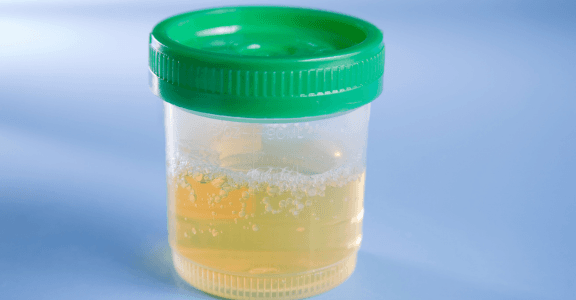
Foamy Urine
Condition
Proteinuria / CKD
Specialist
Nephrologist
Foamy urine is something many people notice from time to time. In most cases, it may not be a serious problem — the force of urination, dehydration, or even cleaning products in the toilet can cause bubbles. However, if foamy urine happens regularly, it may be a sign of an underlying kidney problem that should not be ignored.
"Persistent foamy urine can sometimes be an early warning sign of kidney disease and should be evaluated by a kidney specialist."
Foamy urine — also called bubbly or frothy urine — refers to urine that creates a large amount of foam or bubbles when passed. Occasional bubbles are normal and usually harmless.
However, if urine frequently appears very foamy, similar to the foam on a soft drink, it may indicate that excess protein is leaking into the urine. This condition is known as proteinuria and can be related to kidney damage.
Dehydration
When the body lacks enough fluids, urine becomes concentrated and may appear foamy. Drinking more water often helps resolve the problem.
Excess Protein in Urine
Healthy kidneys prevent important proteins from leaving the body through urine. When the kidneys are damaged, protein may leak into the urine, causing persistent foam — often one of the earliest signs of kidney disease.
Diabetes and Kidney Damage
Poorly controlled diabetes can damage the kidneys over time. This condition, known as diabetic kidney disease, may lead to protein leakage and foamy urine.
Chronic Kidney Disease
CKD develops gradually and often shows very few symptoms in the early stages. Foamy urine can sometimes be one of the first visible warning signs.
Other Causes
Other possible causes include urinary tract infections, certain medications, lupus, and rare conditions that affect protein levels in the body.
Not always — but it can be. When kidneys are healthy, they filter waste while keeping important substances like protein in the bloodstream. Damaged kidneys may allow protein to pass into the urine, leading to foamy urine.
People with kidney disease may also experience:
If foamy urine occurs along with these symptoms, medical evaluation is important.
You should consult a nephrologist if you experience any of the following:
Early diagnosis can help prevent further kidney damage and improve long-term kidney health.
To find the cause of foamy urine, doctors usually recommend urine and blood tests to check protein levels and evaluate kidney function. The treatment depends on the underlying cause:
Treating the underlying condition often helps reduce or eliminate foamy urine.
Foamy urine is not always a reason to panic, but it should not be ignored if it happens regularly. Persistent foamy urine may be an early sign of protein leakage and kidney disease. Recognising the problem early allows timely treatment and helps protect kidney function. If you frequently notice foamy urine or have other symptoms related to kidney health, consult Dr. Satyanarayana Garre for proper evaluation and treatment.
Book a ConsultationReady to take the next step in your kidney care journey? Get in touch with us today.



