By Dr. Satyanarayana Garre, Nephrologist, Hyderabad
Test Type
Blood & Urine
Specialist
Nephrologist
Result Time
Within 24 hrs
Your kidneys work like natural filters for the body — removing waste, balancing fluids, controlling blood pressure, and maintaining overall health. But many kidney problems develop slowly, and in the early stages, people may not notice any symptoms. This is why a Kidney Function Test (KFT) is essential. With kidney disease becoming increasingly common due to diabetes, high blood pressure, and unhealthy lifestyles, a simple renal function test can help find problems early and prevent serious complications.
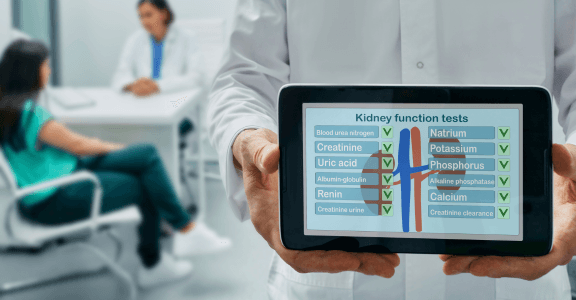
A Kidney Function Test (KFT) is a group of blood and urine tests that check how well your kidneys are working. These tests help doctors understand whether the kidneys are properly filtering waste and maintaining the body's balance. Doctors usually recommend a KFT for people with symptoms related to kidney problems or health conditions like diabetes and high blood pressure. Regular testing also helps monitor existing kidney disease and track treatment progress.
A Kidney Function Test checks several markers related to kidney health. Here are the key tests involved:
Serum Creatinine Test
Creatinine is a waste product produced by muscles. Healthy kidneys remove it from the blood. High creatinine levels may suggest reduced kidney function.
Blood Urea Nitrogen (BUN) Test
Measures the amount of waste in the blood. Increased levels may indicate kidney problems or dehydration.
eGFR (Estimated Glomerular Filtration Rate)
Helps doctors understand how well the kidneys are filtering blood. Commonly used to detect chronic kidney disease in its early stages.
Urine Test
Checks for protein, blood, infection, or sugar in urine. Protein in urine can sometimes be an early sign of kidney damage.
Electrolyte Levels
Sodium and potassium levels are checked because kidney problems can affect the body's fluid and mineral balance.
Reference values may vary slightly between laboratories
Serum Creatinine (Men)
Muscle waste filtered by kidneys
Serum Creatinine (Women)
Slightly lower due to muscle mass
Blood Urea Nitrogen (BUN)
Reflects protein metabolism waste
eGFR
Healthy filtration rate
Sodium
Fluid balance regulation
Potassium
Critical for heart and muscle function
If any result is higher or lower than normal, your doctor may advise further tests or treatment. Always discuss results with a kidney specialist.
The KFT procedure is simple, safe, and usually completed within a few minutes.
Blood Sample
A small blood sample is taken from your arm to check creatinine, urea, and electrolytes.
Urine Sample
In some cases, a urine sample may also be required. Some patients fast a few hours beforehand.
Results & Review
Reports are typically available within 24 hours. A specialist explains whether kidney function is normal or needs further attention.
A renal function test is important if you notice any of the following symptoms. People above 40 with diabetes, BP issues, obesity, or a family history of kidney disease should get regular checkups.
Early testing is key — kidney disease is often called a "silent problem" because symptoms may not appear until the condition is serious.
Early diagnosis through a Kidney Function Test can help prevent kidney failure, dialysis, or other major complications. Simple lifestyle changes go a long way in protecting kidney health:
A Kidney Function Test (KFT) is one of the most important tests for checking kidney health. It helps identify kidney problems early and supports timely treatment before conditions become serious. Regular kidney testing is especially important for people with diabetes, high blood pressure, kidney stones, or a family history of kidney disease. For expert guidance and diagnosis, consult Dr. Satyanarayana Garre — taking care of your kidneys today can help you avoid major health problems in the future.
Book a ConsultationReady to take the next step in your kidney care journey? Get in touch with us today.



