By Dr. Satyanarayana Garre, Nephrologist, Hyderabad
Topic
Warning Signs
Condition
Kidney Disease
Specialist
Nephrologist
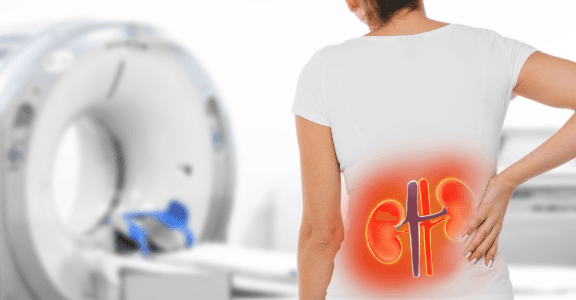
Kidney disease often develops slowly, and many people do not notice any symptoms in the beginning. Your kidneys play an important role in filtering waste, balancing body fluids, controlling blood pressure, and keeping your body healthy. When they stop working properly, waste and extra fluid start building up in the body.
Knowing the warning signs of kidney disease can help you seek treatment early and prevent serious complications. According to Dr. Satyanarayana Garre, an experienced nephrologist in Hyderabad, early diagnosis and proper treatment can help slow down kidney disease and protect kidney function.
One of the early warning signs of kidney disease is a change in your urination pattern. Since the kidneys produce urine, any change may indicate a problem.
Look out for:
Persistent foamy urine may be caused by protein leaking into the urine, which can be an early sign of kidney damage.
Healthy kidneys remove extra water and salt from the body. When they are not working properly, fluid builds up and causes swelling.
Look out for:
Swelling that does not go away should never be ignored, as it may be one of the important kidney disease signs and symptoms.
Do you often feel tired even after getting enough sleep? Damaged kidneys produce less of the hormone that helps make red blood cells. This can lead to anemia, causing:
Look out for:
Persistent fatigue without an obvious reason should be checked by a doctor.
Healthy kidneys help maintain the right balance of minerals in your body. When kidney function decreases, waste products build up in the blood, which can affect your skin.
Look out for:
Although itching has many possible causes, long-lasting itching along with other symptoms may point to kidney disease.
Difficulty breathing can sometimes be linked to kidney disease. This may happen because:
Look out for:
If you become short of breath during normal daily activities, especially along with swelling or tiredness, medical evaluation is important.
There is a close connection between high blood pressure and kidney disease. Damaged kidneys cannot regulate blood pressure properly, and uncontrolled high blood pressure can cause even more kidney damage.
If your blood pressure remains high despite taking medicines, your doctor may recommend kidney function tests to find the underlying cause.
As kidney function decreases, waste products build up in the bloodstream. This can cause:
Look out for:
These symptoms are more common in advanced kidney disease but should never be ignored if they continue.
Some people have a higher chance of developing kidney disease and should have regular kidney check-ups. Risk factors include:
If you have any of these risk factors, regular kidney function tests can help detect problems early.
Doctors use simple tests to check kidney health, including:
Early diagnosis allows treatment to begin before significant kidney damage occurs.
The treatment depends on the cause and stage of kidney disease. Your doctor may recommend:
In advanced stages, dialysis or kidney transplantation may be required.
1. What are the early warning signs of kidney disease?
Some of the early warning signs of kidney disease include foamy urine, swelling in the feet or face, frequent urination (especially at night), tiredness, high blood pressure, and changes in urine colour or amount.
2. Can kidney disease be treated if detected early?
Yes. Although some kidney damage cannot be reversed, early diagnosis and proper treatment can slow the progression of kidney disease and help protect kidney function.
3. Who is at higher risk of kidney disease?
People with diabetes, high blood pressure, obesity, a family history of kidney disease, or those who regularly use painkillers are at a higher risk and should have regular kidney check-ups.
4. When should I see a nephrologist?
You should consult a nephrologist if you notice persistent swelling, foamy urine, blood in the urine, frequent urination, constant tiredness, or high blood pressure that is difficult to control.
5. How is kidney disease diagnosed?
Kidney disease is diagnosed through simple tests such as blood tests, urine tests, kidney function tests (KFT), blood pressure checks, and sometimes ultrasound scans if required.
6. Can lifestyle changes help prevent kidney disease?
Yes. Controlling blood sugar and blood pressure, eating a healthy diet, reducing salt intake, staying hydrated, exercising regularly, avoiding smoking, and limiting unnecessary painkiller use can help keep your kidneys healthy.
7. Is swelling always a sign of kidney disease?
Not always. Swelling can have many causes, but persistent swelling in the feet, ankles, hands, or around the eyes may indicate kidney problems and should be evaluated by a doctor.
Many people ask, "What are the warning signs of kidney disease?" The answer is that your body often gives early signals such as changes in urination, swelling, tiredness, itching, shortness of breath, and high blood pressure. Recognizing these early warning signs of kidney disease can help prevent permanent kidney damage.
If you notice any of these symptoms or have diabetes, high blood pressure, or a family history of kidney disease, consult Dr. Satyanarayana Garre, an experienced nephrologist in Hyderabad. Early diagnosis and timely treatment are the best ways to protect your kidneys and maintain your overall health.
Book a ConsultationReady to take the next step in your kidney care journey? Get in touch with us today.



