
Understanding Creatinine
Levels
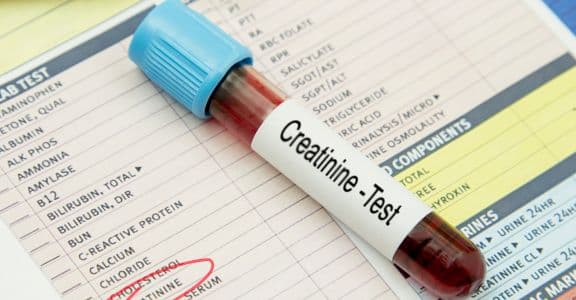
Test Type
Blood Test
Specialist
Nephrologist
Checked For
Kidney Function
Our kidneys quietly work every day to keep the body healthy. They remove waste, balance fluids, and help the body function properly. One important way to check how well the kidneys are working is by looking at creatinine levels. Creatinine is a waste product made by the muscles during daily activities. Healthy kidneys remove it from the blood and pass it out through urine. But when the kidneys are not working properly, creatinine can start building up in the body.
Many people search for terms like “creatinine levels,” “normal creatinine levels,” “high creatinine levels,” or “why creatinine levels increase” after seeing their blood test reports. Understanding these levels can help detect kidney problems early and protect long-term kidney health.
At Dr. Satyanarayan Garre’s clinic, patients receive proper guidance and treatment for kidney-related conditions, including high creatinine levels, kidney disease, and dialysis care.
What Is Creatinine?
Creatinine is a natural waste product that forms when the muscles use energy. Our body makes creatinine every day, and the kidneys filter it from the blood before removing it through urine. Doctors often check creatinine levels through a simple blood test to understand how well the kidneys are working. If the kidneys slow down or become damaged, creatinine levels may rise in the blood. In some cases, a urine test may also be advised to check kidney function more closely.
Checking creatinine levels is especially important for people who have:
- Diabetes
- High blood pressure
- Kidney problems
- A family history of kidney disease
Regular testing can help find kidney problems early, even before symptoms appear.
Normal Creatinine Levels by Age
Values may vary slightly depending on age, gender, body size, and muscle mass
Adult Men
Slightly higher due to greater muscle mass
Adult Women
Typically lower than men
Older Adults
Due to reduced muscle mass with age
Children
Varies depending on growth and development
A single abnormal reading may not always indicate a serious problem, but persistently high creatinine levels require proper medical evaluation.
Why Creatinine Levels Increase
One of the most common questions patients ask is “why creatinine levels increase.” There are many possible reasons behind high creatinine levels.
Kidney Disease
Long-term kidney problems are one of the main causes. When the kidneys slowly lose their ability to filter waste properly, creatinine starts building up in the blood.
Dehydration
Not drinking enough water can sometimes increase creatinine levels. When the body is dehydrated, the kidneys may not work as efficiently.
Diabetes & High Blood Pressure
Uncontrolled diabetes and high blood pressure can damage the kidneys over time, which is why kidney tests are very important for these patients.
Kidney Stones or Infections
Kidney stones and infections may affect how the kidneys work and can lead to a rise in creatinine levels if not treated on time.
Heavy Exercise or High Protein Intake
Very intense exercise or eating too much protein may temporarily increase creatinine levels in some people.
Certain Medicines
Some painkillers or medicines can affect kidney function, especially if taken regularly without medical advice.
Finding the exact cause of high creatinine is important because early treatment can help prevent further kidney damage.
Symptoms of High Creatinine Levels
In the beginning, high creatinine levels may not cause any noticeable symptoms. That is why many kidney problems are discovered during routine blood tests. As kidney function becomes weaker, some people may experience:
- Swelling in the feet, face, or ankles
- Feeling tired all the time
- Loss of appetite
- Nausea or vomiting
- Shortness of breath
- Changes in urine
- Difficulty sleeping
- Weakness or low energy
Some people may also notice reduced urine output or puffiness around the eyes. If these symptoms are ignored, kidney problems can become more serious over time. Early treatment is always better and safer.
How to Manage High Creatinine Levels
In many cases, creatinine levels can be managed with the right treatment and healthy lifestyle habits. Doctors may suggest simple changes such as:
Some patients may also need medicines or further treatment depending on the cause of the problem. The most important thing is not to ignore rising creatinine levels. Regular monitoring helps doctors understand whether the kidneys are stable or need more care.
Kidney Care with Dr. Satyanarayan Garre
Kidney problems should never be ignored, especially when creatinine levels start increasing. Early care and proper treatment can help protect kidney function and improve overall health. At Dr. Satyanarayan Garre’s clinic, patients receive complete care for kidney-related conditions, including high creatinine levels, chronic kidney disease, dialysis support, and kidney health management. If your creatinine levels are high or you are experiencing symptoms related to kidney problems, consulting an experienced kidney specialist can help you understand the cause and start the right treatment at the right time.
Book a Consultation


